
7 Best Play to Earn Games of 2026

The best play-to-earn games in 2026 do not pay because a token exists. They hold attention because the game loop works, the economy has limits, and players know what they are trading time and money for.
That shift matters more than any growth forecast. Early GameFi pushed easy-income promises. Stronger projects now compete on retention, onboarding, chain efficiency, asset utility, and whether the game still feels worth playing during a weak crypto cycle. If you follow Web3 gaming market updates and launch coverage, the pattern is clear. The projects with staying power are the ones trying to balance player rewards with demand that does not depend on constant new buyers.
The practical question is no longer, "Which game is hottest?" It is, "Which model fits the way you play?" Some titles reward ranked skill and card knowledge. Some suit players who can log in daily and manage small, repeatable tasks. Others make more sense for NFT collectors, sports analysts, landowners, or creators who want upside from user-generated content rather than match-by-match grinding.
Real earning potential also varies more than the hype suggests. Entry cost, token inflation, NFT liquidity, withdrawal friction, and time commitment all affect returns. I look for games where the reward loop matches the target player. A competitive player can outperform in a skill-based economy. A casual player usually does better in low-cost systems with steady utility and limited pressure to reinvest.
This list is built around fit, not popularity. Each game below gets assessed on its economic model, player profile, and the trade-offs that matter before you commit capital or hours.
Table of Contents
- 1. Gods Unchained
- 2. Pixels
- 3. Big Time
- 4. Splinterlands
- 5. Sorare
- 6. The Sandbox
- 7. Illuvium
- Top 7 Play-to-Earn Games Comparison
- Your Next Move in the GameFi Universe
1. Gods Unchained
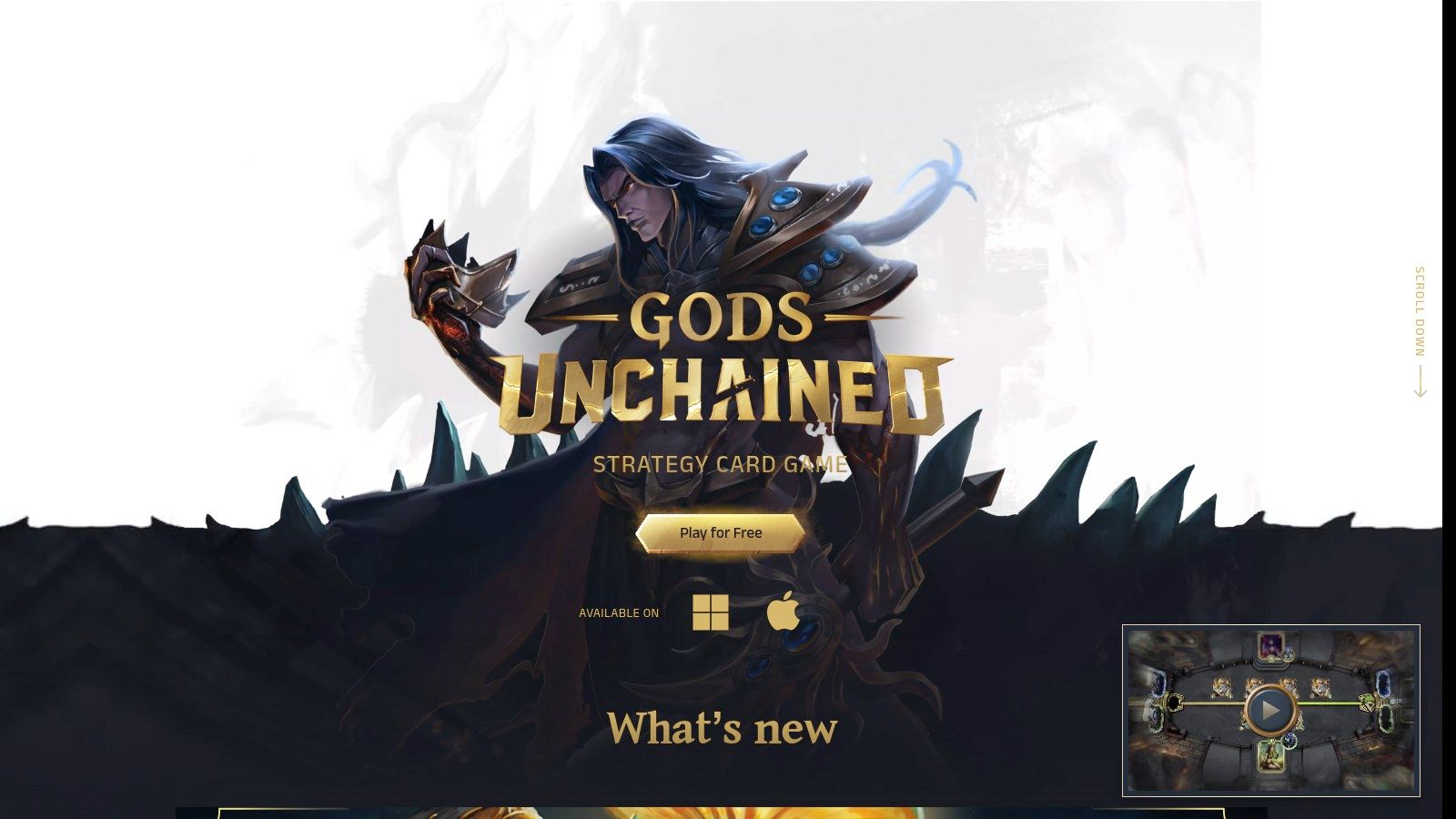
Gods Unchained remains one of the cleanest answers to a basic question in Web3 gaming. What if a crypto game was a good competitive card game first, and an on-chain economy second? That design choice still gives it an edge.
It runs on Immutable, which helps with lower-friction ownership and trading of cards. For players, the core appeal is simple. You can play without paying upfront, build a deck over time, and earn more only if you understand the meta and make smart plays.
That last point matters. Gods Unchained isn't one of the best play to earn games because it promises easy money. It's one of the best because the earning model fits the genre. Ranked rewards, seasonal content, battle passes, and tradable cards all make sense inside a card battler.
Why Gods Unchained still works
The game rewards the kind of player who likes testing decks, adjusting to balance patches, and grinding ladder efficiently. If you're impatient or only chasing token payouts, it'll feel slow. If you enjoy tactical card games, the economy becomes a bonus layer instead of the only reason to log in.
A few practical trade-offs stand out:
- Best entry point: Free-to-play onboarding lowers risk for new players who want exposure to Web3 card ownership.
- Best earning angle: Ranked consistency and card management tend to matter more than occasional event chasing.
- Main frustration: Mobile parity can lag, which is annoying if you want a smooth cross-device routine.
Practical rule: Treat Gods Unchained like a competitive TCG with asset ownership, not like a yield farm with cards attached.
Its maturity is also a plus. In a market crowded with unfinished ideas, a live game with regular updates, known systems, and an established player base deserves credit. That doesn't guarantee strong earnings, but it does reduce one common GameFi risk, which is betting time on a project that never stabilizes.
If you follow the wider Web3 gaming news cycle at Coiner Blog, this is the kind of project that keeps showing why durable gameplay matters more than launch-week hype.
2. Pixels
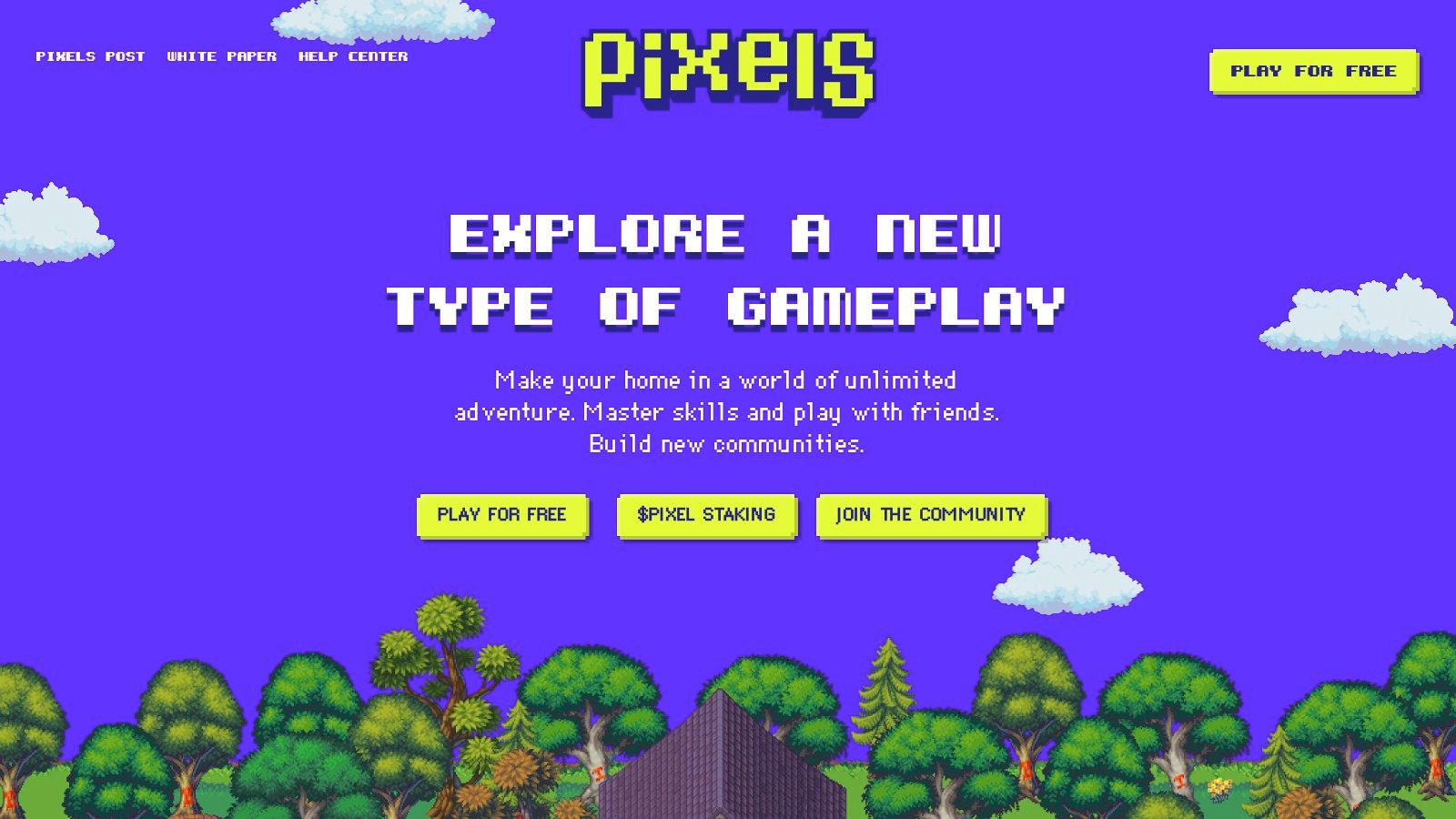
Pixels earns its place on this list because it solves a problem that sinks a lot of play-to-earn games early. New players can start playing without fighting the tech stack first.
Browser access, a clear interface, and Ronin integration make the first hour much easier than in wallet-heavy projects that bury the game under setup friction. That matters because Pixels is built around routine economic play. Farming, gathering, crafting, and Task Board jobs create value through repetition and planning, not through flashy combat or rare one-off wins.
That design choice makes Pixels easier to recommend, but it also changes who should play it.
This is a better fit for players who enjoy optimizing loops, tracking resource timings, and working a live in-game economy. Players chasing adrenaline, PvP outplays, or spectacle will probably bounce off. The strongest earners in Pixels usually treat it like a light management game with social layers attached. They log in with a route, know which materials matter, and avoid wasting stamina and time on low-value tasks.
Where Pixels stands out
Pixels has one of the clearest economic loops in GameFi. You can understand fairly quickly how resources feed production, how tasks shape demand, and where time gets converted into progression. That clarity is useful for new Web3 players because it teaches the basics of token utility and player-owned items without forcing them to learn a complex battle system at the same time.
A few trade-offs matter:
- Best entry point: Players who want low setup costs and an easy introduction to Web3 game economies.
- Best earning angle: Consistent daily play, efficient routing, and staying current with task and production trends.
- Main frustration: Crowded earning paths and resource bottlenecks can cut margins when too many players chase the same loop.
Practical rule: In Pixels, steady execution beats casual wandering. The players who plan their sessions usually outperform the players who simply spend more time online.
I also rate Pixels highly for a specific player profile. It works well for traditional gamers who are curious about GameFi but do not want their first experience to feel like spreadsheet labor. If you like economy-first progression, you may also want to compare it with other resource-loop games such as Mines of Dalarnia and similar token-driven progression models.
The catch is simple. Accessibility brings competition. Because the game is easy to enter and easy to understand, profitable routes rarely stay underused for long. That does not kill the earning case, but it does mean Pixels is strongest for disciplined players who want a lower-friction economy game, not for anyone expecting passive income from a farming sim skin.
3. Big Time
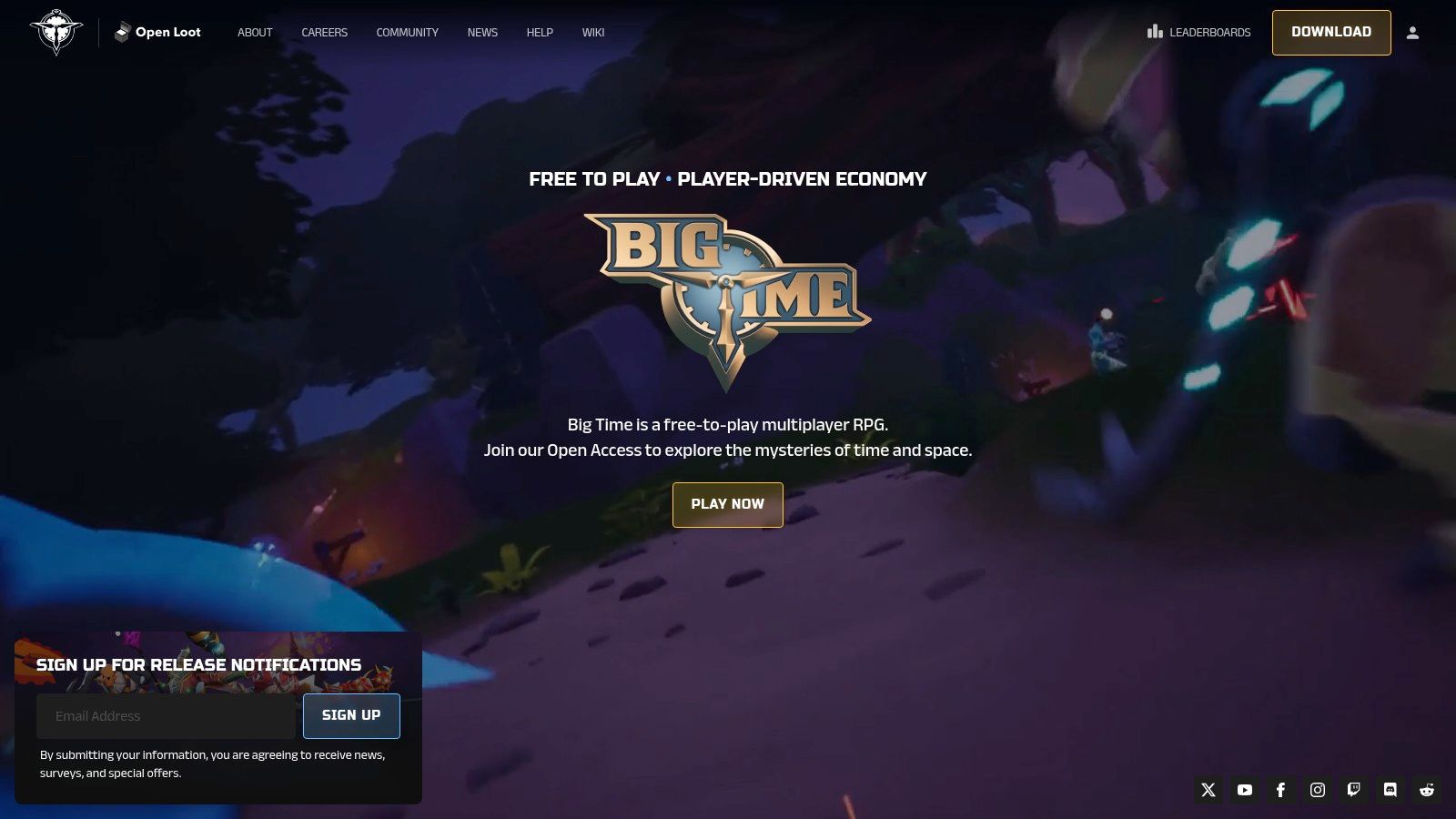
Big Time stands out because the game loop comes first. The Web3 layer sits around that loop instead of trying to replace it.
That matters more than hype. Plenty of play-to-earn titles attract attention with tokens, then lose players once the actual combat starts to feel thin. Big Time avoids that trap by building around fast co-op ARPG runs, gear chasing, class swapping, and dungeon repetition that feels familiar to action RPG players. The economy matters, but the game can still hold your attention when market conditions cool off.
Its core model is also easier to evaluate than many token-heavy projects. Big Time puts more emphasis on cosmetic ownership, crafting, and collectible demand than on selling raw combat power. From an analyst's perspective, that is a healthier setup than a pay-to-win economy. From a player's perspective, it means you can enter for the gameplay and decide later whether the item economy is worth pursuing.
Where Big Time fits best
Big Time works best for players who want a real PC action game first and a GameFi economy second. It is a stronger fit for dungeon runners, loot grinders, and co-op players than for traders looking for passive yield. If your goal is steady extraction from menus and market flipping alone, other games are usually more direct.
The trade-offs are practical:
- Best entry point: Players who already enjoy ARPGs and want Web3 exposure without buying power.
- Best earning angle: Farming desirable cosmetic items, understanding crafting demand, and timing marketplace activity around content interest.
- Main frustration: Earnings depend on player demand, item desirability, and ongoing content momentum, not just hours played.
- Platform limit: Big Time is built around PC play, so it lacks the low-friction access that helps browser and mobile GameFi titles grow faster.
Field note: I rate Big Time highly for players who would still log in if item prices dropped. That is usually the cleanest filter for whether a GameFi economy has a real foundation.
There is another important trade-off here. Big Time is one of the better examples of anti-pay-to-win design in this category, but that does not guarantee strong returns for every player. Cosmetic-led economies are healthier for competition, yet they can be less predictable for income because value follows taste, scarcity, and community attention. Players who want a cleaner resource-and-upgrade loop may want to compare it with token-driven action mining games like Mines of Dalarnia.
That is why Big Time belongs on a serious best play to earn games list. It gives action-focused players a better gameplay baseline than most GameFi projects, while still offering an economy layer with real upside for the right profile. Just do not confuse "better game design" with guaranteed profit. In Big Time, skill, timing, and market awareness matter more than simple participation.
4. Splinterlands
Splinterlands remains one of the clearest proof points that a play-to-earn game can outlast hype cycles. It has stayed active long enough to show what many newer projects still have not proven. A card battler can keep players, traders, and guild-focused users engaged across very different market conditions.
That staying power comes from structure, not branding. Splinterlands runs on Hive with DEC and SPS at the center of its economy, but the bigger story is how many roles the game supports. A player can grind ranked matches, a collector can rent out cards, a speculator can trade around meta shifts, and a guild-focused user can build value through brawls and team coordination. That matters because the best play to earn games are rarely the ones with the loudest token narrative. They are the ones where different player profiles can still find a workable edge.
The rental system deserves special attention. In practice, it solves one of the oldest GameFi problems. Full ownership can get expensive fast, especially in card games where flexibility matters more than one strong asset. Splinterlands gives newer players a cheaper way to test lineups and climb, while established holders can generate consistent rental income from idle cards. If you like game economies where asset utility matters more than pure collecting, that model is more interesting than the toy-first NFT appeal you see in projects built around branded drops such as licensed collectible NFT experiments like Hot Wheels NFTs.
Where Splinterlands earns its reputation
Splinterlands works best for players who enjoy making small, repeatable decisions. Team rulesets, card synergies, league caps, rental pricing, and reward timing all affect results. I would not point a casual mobile-first player here for easy passive income. I would point strategy players here, especially the ones who like tuning a roster and watching market inefficiencies.
The strengths are clear:
- Several earning paths: Ranked rewards, card rentals, staking-related exposure, and market trading all matter.
- Proven game loop: The battle system is quick, readable, and good at rewarding matchup knowledge.
- Established ecosystem: Guides, tools, guild activity, and marketplace habits are easier to find than in newer titles.
The trade-offs are just as real:
- Entry friction exists: Meaningful earning usually improves once you hold or rent a broader card pool.
- Collection depth affects win rate: More options usually means better lineup coverage across rulesets.
- The economy takes work: Players who ignore rental prices, meta shifts, or token conditions usually underperform.
The income profile is also easy to misread. Splinterlands is better treated as a layered game economy than a simple grind-to-earn setup. Players who diversify between gameplay, renting, and SPS-related positioning usually have more resilience than players relying on match rewards alone. That is not a theory pulled from a bad video link. It is the practical lesson long-time card game and GameFi players keep relearning. One revenue stream can dry up fast.
For readers trying to match game to profile, Splinterlands fits analytical players with moderate patience and a willingness to manage assets, not just play matches. That makes it one of the more strategic entries on this list. The upside is real, but it tends to go to users who treat the game like both a battler and a market.
5. Sorare
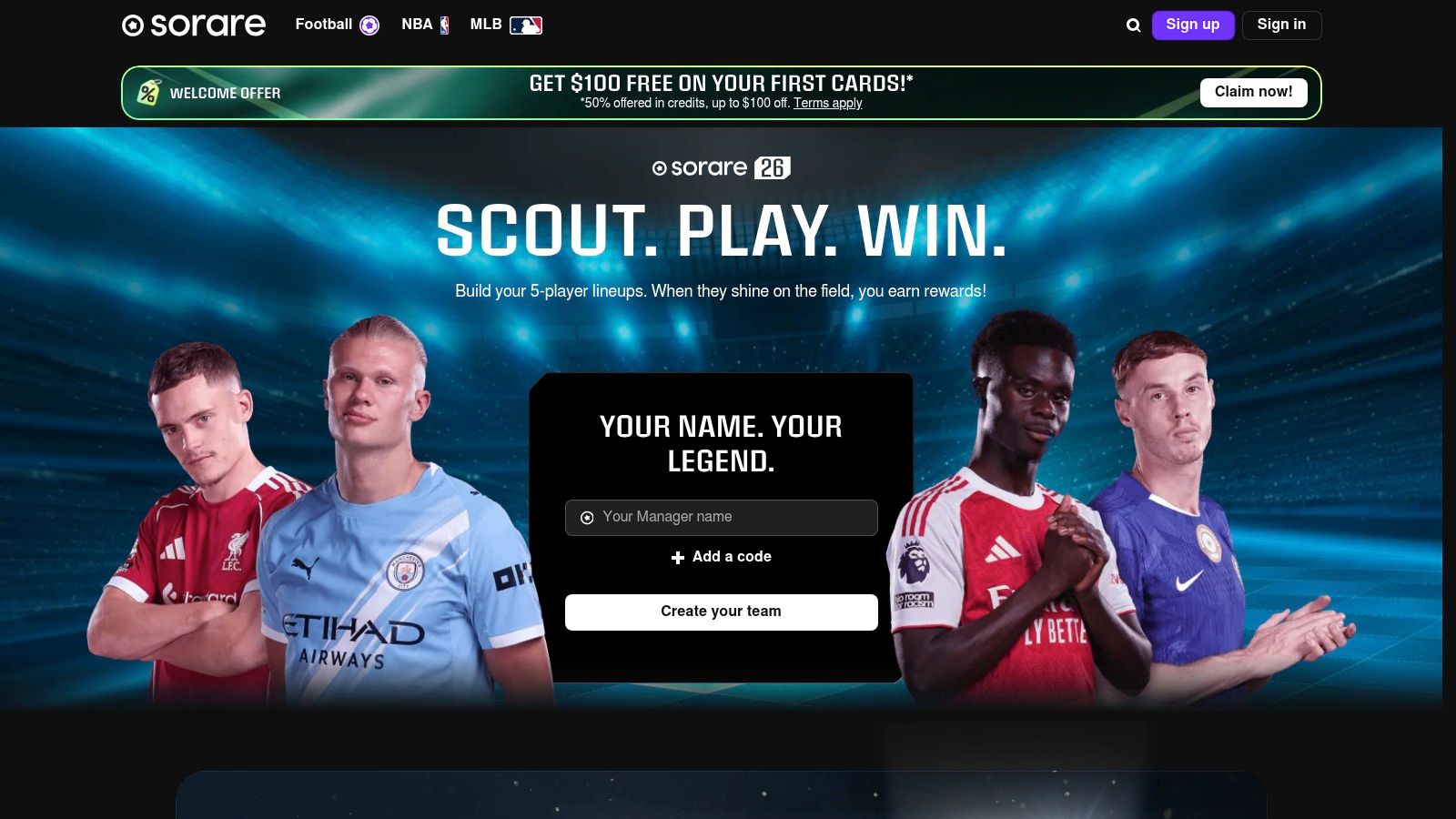
Sorare sits slightly outside the usual GameFi mold, and that's exactly why it belongs here. It doesn't rely on hack-and-slash loops, farming cycles, or idle token taps. It turns licensed sports fandom into a digital ownership and fantasy competition model.
That changes the type of skill involved. In Sorare, earning potential comes from player research, lineup selection, scarcity strategy, and timing around real-world sports calendars. You're not grinding monsters. You're building conviction around athletes and fixtures.
For U.S. readers especially, the mix of soccer, MLB, and NBA coverage gives the platform broader relevance than many niche blockchain games. One account, multiple sports, different budget tiers. That's a cleaner setup than juggling separate wallets across disconnected projects.
Sorare is skill-based in a different way
Sorare works best for readers who already enjoy fantasy sports, player analytics, and collecting. It's less suitable for players who want direct gameplay or constant session-based activity.
A few practical truths define the experience:
- Best for research-heavy users: Good decisions often start before the contest begins.
- Strong free path: Common cards let new users learn the system without rushing into purchases.
- Real-world dependency: Rewards rise and fall with injuries, schedules, form, and rotation.
The strongest Sorare players don't think like grinders. They think like portfolio managers who also watch sports.
That real-world link is both the advantage and the risk. Licensed ecosystems feel more grounded than many purely fictional NFT games, but they also depend on events outside your control. A great lineup can still lose value because a player sits, gets injured, or hits a slump.
For readers interested in the collectible side of digital assets beyond sports, Coiner Blog's Hot Wheels NFT coverage is worth a look. It highlights the same core idea. Ownership matters more when people already care about the underlying brand.
6. The Sandbox
The Sandbox isn't the best play to earn game for everyone, and that's exactly why it deserves a careful ranking instead of blind praise. If you want stable daily grind loops, other games fit better. If you want creator-driven opportunities inside a metaverse economy, The Sandbox becomes much more interesting.
Its model revolves around user-generated experiences, branded worlds, seasonal campaigns, game jams, and SAND-based marketplace activity. That means earning isn't usually a straightforward “play X matches, get Y tokens” formula. It's more event-based and creator-centric.
For some players, that's frustrating. For builders, designers, and community-first users, it's a feature. The Sandbox rewards participation in an ecosystem, not just repetitive gameplay. That makes it feel closer to a Web3 platform than a narrow game app.
Best for creators, not daily grinders
If your strengths include world-building, social engagement, or designing experiences that attract attention, The Sandbox can be a better economic fit than many combat-focused P2E titles. If you only want a predictable daily income loop, its cadence may feel uneven.
What stands out:
- Creator upside: Grants, contests, and event participation offer routes beyond simple token farming.
- Brand visibility: Curated experiences and partnerships help it stay culturally visible.
- Documented resources: Players and creators can find official tools and guides without much friction.
What to watch:
- Reward timing: Event-based rewards aren't as steady as structured ranked ladders.
- Return concentration: The best outcomes often go to creators or highly active participants.
- Metaverse fatigue risk: Interest can cool when users expect instant monetization instead of long-term building.
A wider trend supports this lower-barrier, experience-led direction. A recent gap analysis notes that free-to-play and mobile-first P2E models have become more important as players search for easier onboarding and less NFT-heavy entry, according to CoinSpot's discussion of best play-to-earn crypto games. The Sandbox isn't identical to those models, but it benefits from the same broader shift away from expensive gatekeeping.
Readers tracking NFT ecosystems and community-driven digital worlds may also enjoy Coiner Blog's Mutant Ape Yacht Club article, which touches the culture layer that often overlaps with metaverse participation.
7. Illuvium
Illuvium is one of the most ambitious projects in the space because it isn't trying to be a single game. It's building a connected game universe that spans autobattling, creature capture, and city-building through Arena, Overworld, and Zero.
That approach is exciting, but it also raises the difficulty curve. Interoperable assets and cross-mode progression sound great on paper. In practice, they ask players to understand more systems, more resource flows, and more economic links than simpler P2E games.
Still, ambition matters in Web3. If blockchain gaming is going to compete with mainstream PC games, projects need to think beyond one thin loop plus a token. Illuvium at least tries to solve that problem with production value, Unreal-powered presentation, and a broader ecosystem design.
Illuvium is ambitious and that matters
Illuvium makes the most sense for players who like long-form worldbuilding and don't mind learning a layered economy. If you want instant simplicity, this isn't the first game I'd recommend. If you want depth, it's one of the more compelling options available.
Here's the practical breakdown:
- Best strength: Multiple playstyles create more ways to stay engaged over time.
- Best design idea: Shared assets across game modes make ownership feel more meaningful.
- Main challenge: Some features remain in active development, so expectations need to stay flexible.
There's also a broader market reason to watch games like this. A separate market report projects the Play-to-Earn NFT games market at USD 1110.88 million in 2025 and USD 7833.57 million by 2034, according to Market Reports World's P2E NFT games market forecast. Projections aren't guarantees, but they show why well-built ecosystems still attract attention from players and investors.
Don't approach Illuvium looking for fast extraction. Approach it like an evolving game universe with an economy attached.
That mindset makes all the difference. The players most likely to enjoy Illuvium are the ones willing to learn the system before they judge the payout.
Top 7 Play-to-Earn Games Comparison
| Project | 🔄 Implementation Complexity | ⚡ Resource Requirements | 📊 Expected Outcomes | 💡 Ideal Use Cases | ⭐ Key Advantages |
|---|---|---|---|---|---|
| Gods Unchained | Moderate, wallet/Immutable familiarity; desktop focus with mobile parity caveats | Low–Medium, free core cards; optional marketplace buys; time to climb ranked | Competitive rewards: $GODS, packs, tradable NFTs; earnings scale with skill | Competitive TCG players seeking skill-based rewards and collection ownership | True NFT ownership, mature live-ops, strong free-to-play on-ramp |
| Pixels | Low, browser-based with Ronin wallet; simple onboarding | Low–Medium, free-to-play; VIP pass (~$10–15/mo) for $PIXEL; land costly for passive income | Regular Task Board rewards; progression tied to VIP/land ownership | Casual social farmers and players wanting low-friction P2E | Accessible browser play, clear economy, strong community engagement |
| Big Time | Moderate, PC ARPG expectations plus token/crafting systems | Medium, PC required; optional SPACE/Hourglasses and cosmetic investments | Cosmetic-driven earnings and session token drops; play-and-earn focus (not P2W) | ARPG fans who prioritize gameplay and cosmetic trading | Polished ARPG gameplay, anti–pay-to-win design, craft/trade economy |
| Splinterlands | Moderate, Hive-based, requires Summoner's Spellbook for full P2E features | Low–Medium, $10 Spellbook; purchasing or renting cards for competitiveness | Multiple streams: DEC/SPS rewards, seasonal chests, robust rental income | Strategic players or managers interested in deep game economies and rentals | Long track record, diverse earning paths, mature secondary market |
| Sorare | Low–Medium, standard account setup; fantasy rules tied to real-world data | Variable, free common cards available; high-tier cards can be costly | Tournament prizes (cards/ETH), resale opportunities tied to player performance | Fantasy sports managers who research real-world player data | Official league licenses, multi-sport coverage, clear fantasy format |
| The Sandbox | Medium–High, player vs creator workflows; Game Maker and VoxEdit learning curve | Variable, free to play; creating/publishing and owning LAND can be expensive | Event- and creator-driven rewards: SAND, ASSET sales, grants; episodic gains | Creators building UGC and players targeting seasonal events/contests | Large UGC ecosystem, creator tools, frequent branded campaigns |
| Illuvium | High, multi-title interoperable ecosystem with complex economy | High, PC (Epic Store), potential land/minting costs, significant time investment | High-potential returns via rare Illuvials, Arena prizes, land resource sales; complex ROI | Dedicated gamers and crypto enthusiasts wanting AAA Web3 experiences | AAA visuals, cross-game economies, multiple playstyles and markets |
Your Next Move in the GameFi Universe
The best play-to-earn game is rarely the one drawing the most hype. It is the one whose economy matches the way you play, spend, and manage risk.
That distinction matters more now than it did in the last cycle. The easy-money phase pulled in speculators. What remains is a more useful test for players. Can a game keep you engaged without assuming token prices will carry your returns? Gods Unchained and Splinterlands suit players who enjoy system mastery and card-market decisions. Pixels fits players who want lighter daily sessions and lower friction. Big Time works better for action-focused players who care about gameplay first and economy second. Sorare rewards research habits, patience, and comfort with performance variance tied to real athletes.
Matching the game to your profile is the true edge, rather than copying the crowd.
Earning expectations also need a reset. As noted earlier, current returns are far more modest and inconsistent than the headline stories from the 2021 boom. Casual players may cover small costs or build an inventory over time. Dedicated players, traders, tournament specialists, and land or asset owners can still outperform, but usually because they understand one game thoroughly, not because they jump between trending titles. In practice, the strongest outcomes often come from focused specialization. Renting cards in Splinterlands, flipping undervalued Sorare assets, farming efficiently in Pixels, or building creator-side income in The Sandbox each require different skills.
This is why surface-level rankings miss the point. A good GameFi choice is part game selection, part economic fit. If a player enjoys long sessions, studies patch notes, and can tolerate a volatile asset base, a complex ecosystem like Illuvium may make sense. If another player wants short sessions, predictable loops, and a lower upfront commitment, that same game is probably a poor fit.
The sector itself is improving in practical ways. Lower-fee infrastructure makes small transactions less painful. Better wallet design reduces setup friction for non-crypto-native players. More teams now treat token emissions, sinks, crafting demand, and user retention as connected design problems instead of marketing features. That does not remove risk, but it does separate more serious projects from short-lived reward farms.
Treat every in-game asset like a speculative game item first and a financial asset second. Liquidity can dry up. Reward rates can change. New content can help prices, but it can also make older assets less useful. I have seen players earn steadily with average collections because they understood timing, formats, and market behavior better than players holding rarer assets with no plan.
A simple filter helps. Choose a game you would still want to play if earnings slowed for three months. That rule cuts out a lot of bad entries.
GameFi still offers real opportunity, especially for players who approach it like a strategist instead of a tourist. Pick the game that matches your time budget, skill set, and risk tolerance. Then commit long enough to understand how value is created inside that economy.
If you want more practical crypto gaming analysis, NFT coverage, and grounded takes on Web3 trends, follow Coiner Blog. It's a strong resource for readers who want more than hype, especially if you're tracking GameFi, tokenomics, Layer 2 ecosystems, DeFi crossover opportunities, and where blockchain gaming is heading next.