
Hot Wheels NFT A Collector’s Guide to Digital Die-Casts
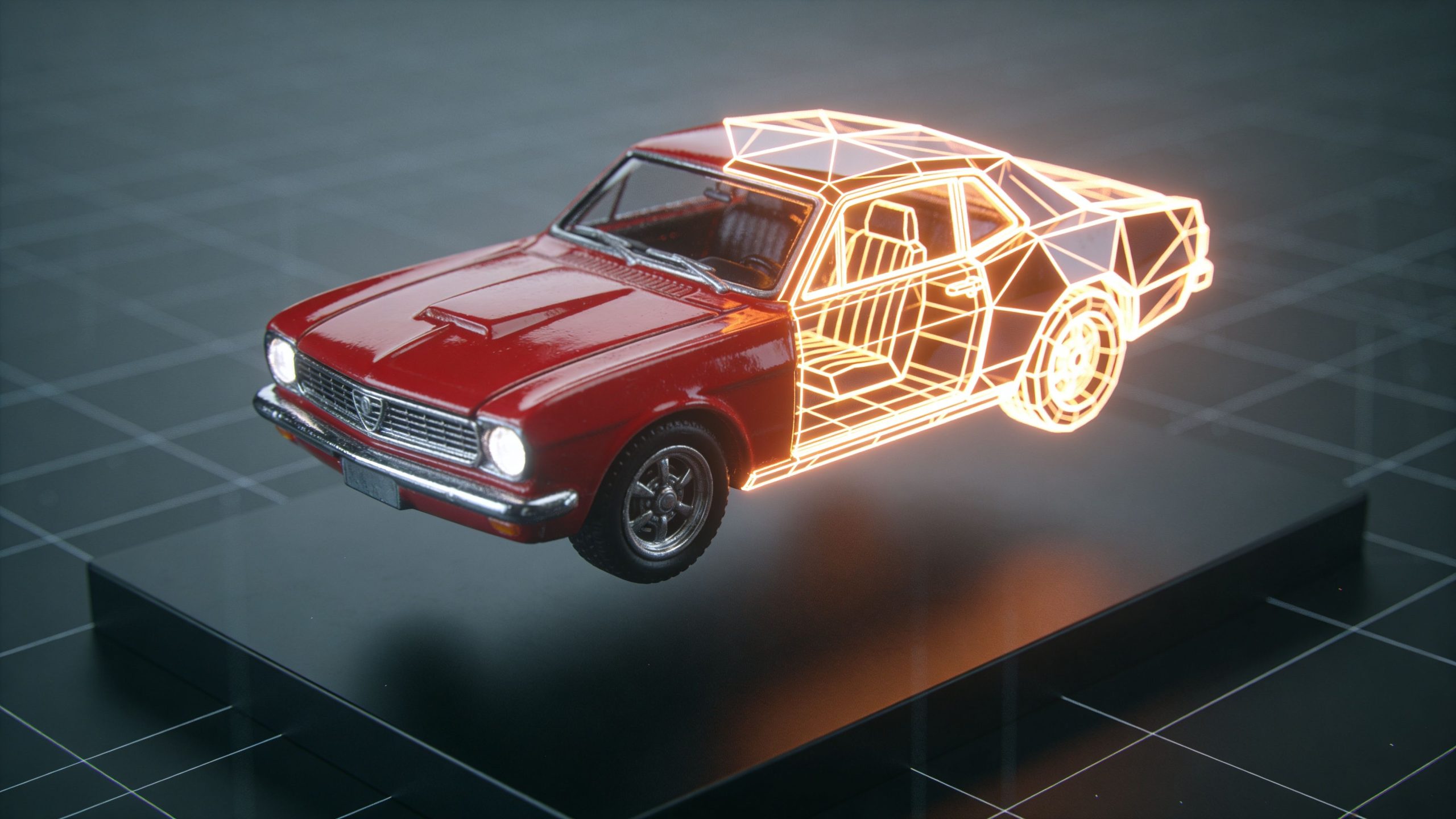
The first time I opened a Hot Wheels NFT pack, it felt oddly familiar. Not because the blockchain side was simple, but because the hit of anticipation was exactly the same as cracking open die-cast cards and hunting for the one casting everyone else wanted.
That’s why hot wheels nft still matters in 2026. It wasn’t just another brand licensing exercise. It became a real test of whether a legacy collectible could move into Web3, tie digital ownership to physical redemption, and still leave collectors with something worth holding after the official run ended.
Table of Contents
- From Die-Cast Dreams to Digital Garages
- What Exactly Are Hot Wheels NFTs
- The Evolution of the Hot Wheels NFT Garage
- How to Buy Sell and Store Your Digital Collection
- Analyzing Market Performance and Valuation
- Utility Risks and the Future of a Legacy Collection
- Actionable Takeaways for Collectors in 2026
- Frequently Asked Questions
From Die-Cast Dreams to Digital Garages
Hot Wheels always had an advantage that most NFT brands never had. People already cared before the tokens existed. Kids raced them across kitchen floors, adults filled display walls with them, and serious collectors learned early that not every car in the blister carried the same long-term appeal.

That physical culture gave the digital project real footing. By 2021, Mattel generated $1.07 billion in Hot Wheels sales annually, with a collector base of 15 million individuals, setting a massive stage for its 2022 digital debut with the Hot Wheels NFT Garage, according to GoCollect’s Hot Wheels physical-to-digital collecting analysis.
Why this project stood out
Most NFT launches asked buyers to care about the art first and the brand later. Hot Wheels flipped that. The brand came with decades of built-in collector behavior:
- Completion instinct drove set building.
- Model preference mattered immediately. Real car fans don’t value every casting the same way.
- Condition and redemption mindset transferred naturally from physical collecting into on-chain collecting.
Collector reality: Nostalgia gets someone into a pack opening. Utility, scarcity, and resale mechanics decide whether they stay.
That’s why this project is still useful to study after discontinuation. It sits right at the intersection of Web3 collectibles, tokenized real-world assets, and branded digital ownership. If you want to understand where NFT projects work best, start with the ones that had a real collector culture before crypto touched them.
Why 2026 is the right time to assess it
The hype phase is over. That makes the signal cleaner.
Now you can judge the Hot Wheels NFT program on harder questions: did the phygital model hold up, did the blockchain choices help or hurt, and what remains once official releases stop? Those are the same questions that matter for newer brand-backed NFT projects, including anything trying to blend gaming, AI-driven digital identity layers, or real-world asset tokenization.
What Exactly Are Hot Wheels NFTs
A hot wheels nft was Mattel’s attempt to turn familiar Hot Wheels collecting behavior into an on-chain product. At the holder level, each token represented a specific digital car inside the Virtual Garage, with ownership recorded on blockchain infrastructure instead of sitting inside a closed app database.
That distinction mattered more than the marketing copy suggested at the time. Collectors could verify ownership, move pieces through an NFT marketplace, and track scarcity by set and rarity tier. For anyone who traded these from Series 1 onward, the appeal was obvious. This felt less like a generic brand NFT drop and more like a serialized collector program built around cars people already cared about.
The basic model
Packs contained a mix of cars across five rarity tiers:
- Base
- Rare
- Premium
- NFTH
- Showroom
The structure was simple on paper, but the market never treated every tier the same way. Base and Rare gave the platform trading volume and set-completion pressure. Premium and NFTH attracted more serious attention because certain pulls could qualify for physical redemption. Showroom sat in a separate prestige lane, where buyers often cared as much about status and display value as liquidity.
That redemption layer is the part newer collectors need to understand. A Hot Wheels NFT was not only a digital collectible. In the strongest cases, it functioned like a tokenized claim connected to a limited physical die-cast release. That changed how experienced buyers priced risk. They were not just buying rarity. They were judging the casting, the redemption mechanics, fulfillment confidence, and whether long-term demand would come from crypto traders, Hot Wheels collectors, or both.
Why rarity never told the whole story
Rarity helped, but it never settled value on its own.
A weak casting in a higher tier could lag a more desirable car with better collector recognition. That mirrors the physical Hot Wheels market, where model choice, deco, and brand nostalgia often matter as much as production scarcity. The same logic carried into the NFT program, which is one reason the project still matters in 2026 as a completed brand experiment rather than an active launch cycle.
Collectors who came in from broader NFT markets sometimes missed that. They applied the usual Web3 formula, lower supply equals higher price, and overlooked the fact that Hot Wheels buyers have always been selective. A Twin Mill, Bone Shaker, or a well-loved licensed casting can pull attention for reasons that have nothing to do with blockchain design. The chain records ownership. The collector base decides what deserves a premium.
That is also why Hot Wheels NFTs remain useful to study beside later brand-chain experiments on other networks, including projects tied to the Polygon NFT ecosystem and brand collectible infrastructure. The lesson is straightforward. Brand recognition gets the first sale. Collector behavior decides what still holds value after the program ends.
If you strip the concept down to basics, Hot Wheels NFTs worked like digitally issued collector pieces with occasional physical redemption upside. The upside was real. So were the trade-offs. Once official support stopped, holders were left with a legacy collection whose value depended on secondary-market demand, redemption history, and the staying power of the Hot Wheels name itself.
The Evolution of the Hot Wheels NFT Garage
The project’s lifecycle tells you a lot about how major brands approached NFT infrastructure during the early mainstream phase. Mattel didn’t just launch a collectible line. It made a series of platform decisions that affected pack access, marketplace behavior, and collector confidence.
Why WAX made sense at launch
The first stretch of the project ran on WAX. For a consumer collectible, that was a sensible opening move.
According to the Hot Wheels Virtual Garage history, the project initially launched on the WAX blockchain for Series 1-3 before migrating to the Flow blockchain for Series 4, a move motivated by Flow's superior scalability for handling high transaction volumes with its Proof-of-Stake consensus.
WAX fit the early NFT environment well because it was built around active trading culture, accessible wallet onboarding, and low-friction movement between listings. That matters for a pack-driven collectible. If the first thing a new buyer sees is clunky setup or expensive movement, many of them leave before they understand the product.
Why the move to Flow changed the experience
The migration to Flow marked a different phase. It signaled that Mattel wasn’t only chasing easy early trading. It also wanted infrastructure that could support a more polished and scalable branded ecosystem.
For collectors, chain migration always creates trade-offs:
- Good side: potentially smoother user experience, stronger mainstream-friendly product design, and better support for large branded drops.
- Hard side: collectors have to relearn wallet flows, marketplace habits, and where liquidity concentrates.
That’s common across Web3. The best technical chain isn’t always the best collector chain. A chain can offer strong smart contract design and still fragment a market if users don’t follow cleanly.
If you track NFT infrastructure more broadly, that tension also shows up in ecosystems pursuing app-specific chains, gaming rails, or Polygon ecosystem coverage. Brands want scalability. Collectors want convenience and liquidity. Those goals overlap, but they don’t always align perfectly.
Hot Wheels NFT Blockchain Comparison
| Feature | WAX (Series 1-3) | Flow (Series 4+) |
|---|---|---|
| Launch role | Early home for initial collector momentum | Later home for the expanded program |
| Collector feel | Marketplace-heavy and trader-friendly | More branded-platform oriented |
| Why Mattel used it | Good fit for low-friction NFT activity | Chosen for superior scalability per cited project history |
| Main trade-off | Familiar for active NFT traders | Better product polish, but required collector adaptation |
Brand NFT projects live or die on onboarding. If buyers need a tutorial before they can even browse, the collectible loses momentum fast.
The final lesson is simple. Blockchain selection isn’t a background technicality. In branded NFTs, it becomes part of the product.
How to Buy Sell and Store Your Digital Collection
If you’re entering the market now, the good news is that you’re not dealing with launch chaos. The bad news is that you’re buying into a legacy collection, which means you need more discipline around chain compatibility, listing quality, and storage.

Start with the right wallet and chain
Before you shop, identify which series you want and which blockchain that series lives on. Hot Wheels NFTs ran across WAX and later Flow, so your wallet setup depends on the asset you’re chasing.
A practical starter path looks like this:
- Pick the target series first. Don’t create accounts blindly.
- Use a compatible wallet. WAX collectors often used WAX Cloud Wallet. Flow collectors often used wallets such as Blocto.
- Choose a marketplace where that series is actively listed. On the WAX side, AtomicHub became a familiar stop for many collectors.
- Secure the wallet before funding it. Write down recovery information and don’t keep everything in a browser session you barely understand.
For general wallet hygiene and phishing awareness, it’s worth brushing up on blockchain security practices before moving any funds.
How to shop without overpaying
A lot of buyers rush into the first listing they recognize. That’s how people overpay for average items.
Use a checklist instead:
- Check the exact series. Some castings appear in ways that can confuse newer buyers.
- Confirm rarity tier. Base, Rare, Premium, NFTH, and Showroom don’t trade the same.
- Review redemption status. For items tied to physical utility, redemption history can change how the market treats the NFT.
- Study spread, not one listing. A single seller can anchor an unrealistic ask.
When I’m evaluating a hot wheels nft buy, I don’t start with “Do I like this car?” I start with “Is this listing the market, or just one seller testing optimism?”
Buying rule: If you can’t explain why a listing deserves a premium over similar listings, skip it.
Storage and selling discipline
Holding NFTs safely is less glamorous than ripping packs, but it matters more over time.
For storage:
- Keep your main collection separate from the wallet you use for casual browsing.
- Document what you own with screenshots, transaction notes, and redemption-related records.
- Avoid signing random prompts. Legacy collections attract opportunistic scams because buyers assume the low-hype environment is safer than it is.
For selling, treat it like inventory management rather than an emotional event:
- List when comparable items are selling.
- Use clear pricing logic based on rarity, model appeal, and redemption context.
- Don’t chase every small move. Thin markets punish impatience.
Collectors who do best in post-hype NFT markets usually aren’t the loudest traders. They’re the ones who keep clean records, know where their assets sit, and wait for setups that make sense.
Analyzing Market Performance and Valuation
By 2026, the easy money phase is long gone. What is left is a legacy collection with enough history to study and enough illiquidity to punish lazy pricing.
Hot Wheels NFTs reached real scale during the program’s run, as noted earlier. That matters because dead projects with no collector base usually fade into irrelevance fast. Hot Wheels did not vanish. It settled into a thinner, more selective secondary market where a small group of informed buyers now sets the tone.

What drives price
Collectors who came in from pure crypto often overestimated scarcity and underestimated taste. Hot Wheels never traded like a generic PFP floor. It traded more like a branded collectible market with blockchain rails.
A few variables keep showing up in sales history:
- Casting appeal. Real-world model recognition still carries weight. Popular JDM, muscle, and fantasy castings do not attract the same buyer behavior.
- Rarity tier. Premium pieces get attention, but low-tier NFTs with strong car appeal can outperform forgettable higher-tier items.
- Series reputation. Some drops kept collector interest better than others, and that reputation stuck after the official run ended.
- Redemption history. NFTs tied to physical cars built a different type of demand and, in some cases, a different ceiling.
- Listing quality. Thin markets punish vague titles, poor categorization, and sellers who expect buyers to do the homework for them.
I have traded this set since Series 1, and one lesson kept repeating. Brand collectors price emotion more aggressively than crypto-native traders expect. A car people wanted in die-cast form often held up better than a technically scarcer token with weaker collector appeal.
Scale matters. Liquidity matters more.
The key valuation problem in 2026 is not whether Hot Wheels NFTs were popular. It is whether a serious buyer is active for the item you own this week.
That changes how price should be read. A broad owner base can support long-term relevance, but it does not guarantee exits at posted ask prices. In practice, valuation sits at the intersection of buyer confidence, seller patience, chain familiarity, and model-specific demand. Legacy NFT markets often look healthy from a distance and feel extremely thin once you start selling into them.
Macro conditions still influence this corner of the market. When crypto sentiment improves, buyers become more willing to move down the quality curve into older branded NFTs. When sentiment weakens, capital concentrates in cleaner, easier-to-explain assets. Broader context from tools like this Bitcoin risk indicator for strategic accumulation windows can help frame when niche collectibles are likely to catch speculative flow again.
Treat every valuation as two numbers. The seller’s ask, and the price a patient buyer will clear.
The best long-term holds usually share three traits: a casting collectors recognize, scarcity that still matters after the hype cycle, and a reason to care that survives the end of official support.
Utility Risks and the Future of a Legacy Collection
The strongest part of the Hot Wheels NFT experiment was never “digital art.” It was utility tied to an existing collector identity. Buyers could own branded digital collectibles, chase rarities, and in some cases bridge that ownership into something tangible.

What utility worked
The project’s practical utility came from a few places:
- Brand legitimacy gave collectors confidence that the NFT had a real issuer behind it.
- Physical redemption mechanics made digital ownership feel less abstract.
- Collecting behavior translated well from shelves to wallets.
That model still matters for Web3. It’s one of the better case studies for how tokenized real-world assets can function at a consumer level. Not every real-world tokenization story has to be about property or finance. A collectible with provable scarcity and fulfillment logic is also a real-world asset bridge.
There was also unrealized upside. A brand like Hot Wheels could have gone further into gaming, metaverse display, AI-personalized collecting layers, or interoperable identity badges tied to ownership history. The concept was there. The long-term ecosystem follow-through was less certain.
What breaks after a line ends
A more honest view emerges for 2026. A key challenge for collectors in 2026 is the post-shutdown ecosystem viability after the official line ended post-Series 10, creating uncertainty around secondary market liquidity and long-term redemption support on the WAX and Flow blockchains, as noted in collector discussion around the line’s closure and aftermath.
Once a branded NFT line stops, utility risk increases fast:
- Liquidity can thin out because no fresh marketing is bringing in new collectors.
- Platform dependency becomes obvious because buyers start asking what happens if support weakens.
- Narrative momentum fades and only the strongest items keep broad attention.
That’s a familiar pattern across discontinued NFT projects. Ownership remains on-chain, but on-chain permanence is not the same as market permanence.
A useful parallel for this broader problem appears in ongoing discussions about the future of cryptography and digital systems. Technology can preserve records well. It cannot guarantee collector demand, platform maintenance, or cultural relevance.
Here’s a look back at the brand’s digital energy in motion:
The legacy question
I still think Hot Wheels NFT has a better long-tail case than many dead-era NFT collections because the brand itself remains culturally durable. But that doesn’t mean every item ages well.
The legacy pieces most likely to hold attention are the ones with clear collector logic even outside peak hype. If an NFT only made sense when the pack drop was live, it’s much harder to defend later. If it connects to a loved casting, a known rarity, and a shelf-worthy physical story, the argument gets stronger.
Actionable Takeaways for Collectors in 2026
If you’re evaluating hot wheels nft assets now, keep the approach tight and selective.
- Buy the story, not just the token. Favor pieces with clear collector logic. A desirable casting and meaningful rarity usually age better than generic completion filler.
- Separate collecting from trading. Keep one bucket for pieces you’d happily hold long term, and another for opportunistic flips. Mixing those motives creates bad exits.
- Respect chain friction. WAX and Flow each shaped behavior differently. If using a marketplace or wallet feels awkward, that friction will affect resale too.
- Treat redemption-linked items carefully. Their appeal can be stronger, but the decision depends on fulfillment confidence and post-program support.
- Use legacy projects to judge new ones. Ask whether a brand-backed NFT has real utility, simple onboarding, and a reason to matter after launch week. That standard applies across GameFi, tokenized collectibles, and even newer AI-linked digital ownership projects.
- Stay diversified. A balanced collector usually does better with a mix of physical and digital exposure than with a pure NFT bet.
If you follow broader narratives around where Web3 is headed, crypto future coverage can help frame how legacy NFT collections fit into the next market cycle.
Frequently Asked Questions
Are Hot Wheels NFTs still worth buying in 2026
Yes, in specific cases. I still see value in pieces that check three boxes: a casting collectors recognize, a supply profile the market respects, and a reason demand survived after Mattel’s official run ended. In 2026, this is no longer a launch-hype trade. It is a legacy collectible market, so selectivity matters more than speed.
Can you still complete full sets on the secondary market
You can, but completion costs are often higher than collectors expect. The hard part is not just locating the missing token. The hard part is finding the right mint or edition at a price a patient buyer can clear without overpaying for the final gap in a set.
Series with one or two standout cars often create that problem. Sellers know which pieces carry the set.
Is WAX or Flow safer for long-term holding
Neither chain removes collector risk on its own. Long-term safety comes down to access, wallet support, marketplace depth, and your own recordkeeping.
From experience, the practical move is simple. Store assets in a wallet you control, keep transaction histories and redemption records, and avoid depending on one marketplace interface to prove what you own.
What is the biggest long-term value risk
Platform dependency remains the biggest risk. Physical Hot Wheels still have value if a digital platform fades, but NFTs depend on continued chain support, wallet compatibility, and functioning secondary markets.
That does not mean Hot Wheels NFTs have no future. It means buyers in 2026 should value them as finished-era digital collectibles with real brand history, not as open-ended utility assets that will keep gaining new features.
Should collectors focus on digital only or physical plus digital
Physical plus digital is the stronger approach for most collectors. The physical side gives the hobby permanence and familiar collector behavior. The digital side records one of the clearest examples of a major toy brand testing NFTs from the WAX boom through the post-program aftermarket.
That combination also helps with downside control. If I am allocating fresh money to Hot Wheels in 2026, I would rather own a mix of redeemable-era history and tangible die-cast than make a pure NFT bet.
If you want more grounded analysis on NFTs, crypto gaming, Web3 infrastructure, and where legacy digital collectibles fit into the broader market, visit Coiner Blog. It’s a strong resource for readers who want useful crypto insight without the usual hype.
5 Comments