
Ready Player One Avatar: A 2026 Metaverse Guide
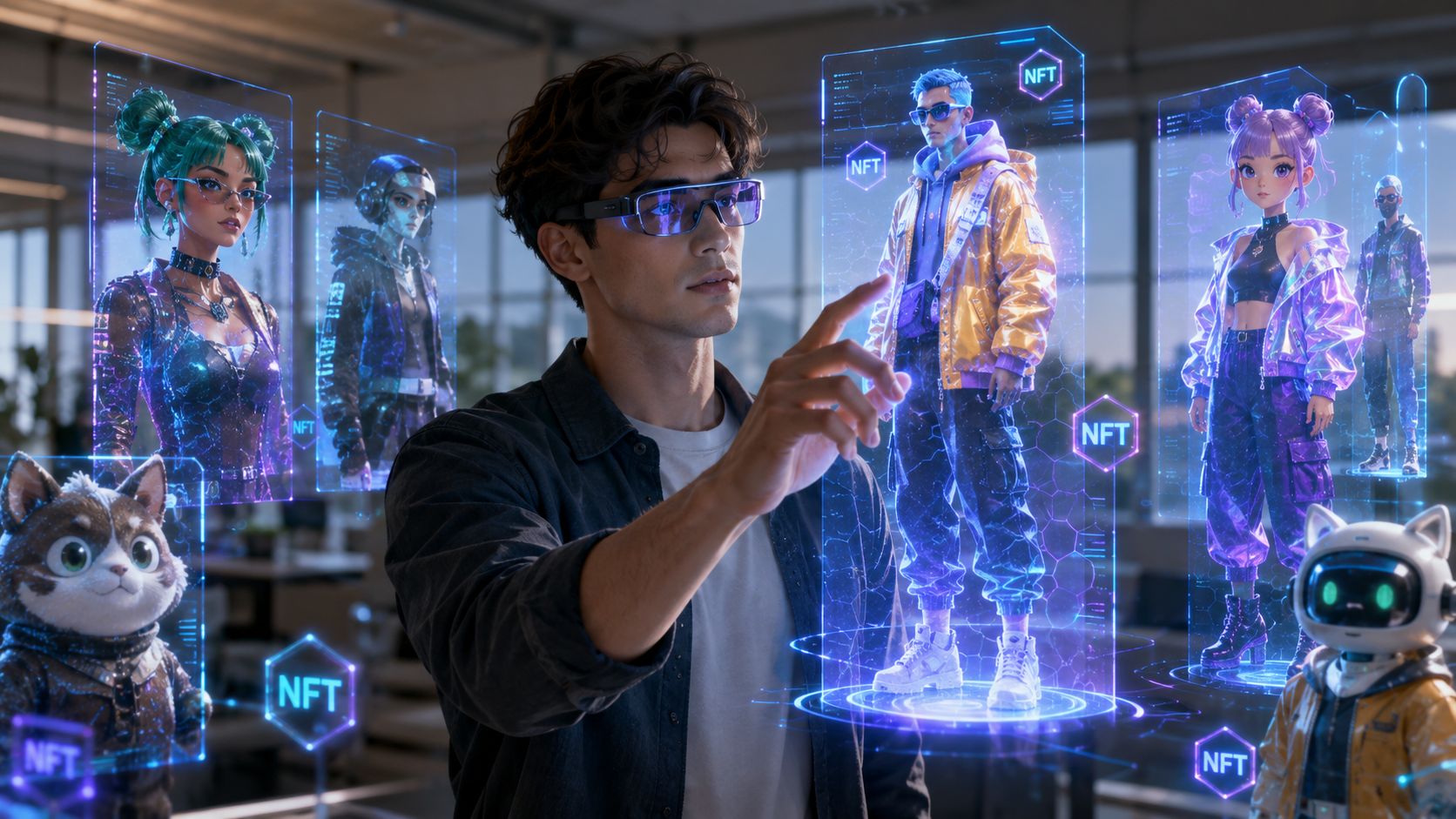
You've probably seen the same pattern play out in a game lobby, a Discord server, or a metaverse demo. You log in, pick a face, tweak the body, choose a name, and suddenly you're deciding how much of the you should show. That simple choice is why the Ready Player One avatar still matters, because it sits at the intersection of identity, entertainment, and ownership in a way that crypto gaming hasn't fully solved yet.
Ernest Cline's Ready Player One was first published in 2011, and the 2018 film adaptation pushed the idea into a mainstream audience on a much larger scale. The story's OASIS gave readers and viewers a vivid image of a world where people could hide hardship behind a virtual self, but it also raised a harder question that still matters in Web3. If your avatar is portable, customizable, and valuable, who really controls it?
Table of Contents
- Why the Ready Player One Avatar Still Captures Web3
- Defining the Ready Player One Avatar
- From OASIS to Open Metaverse Avatars
- Identity Performance, Bias, and the Limits of Virtual Freedom
- Building Your Own RPO Inspired Avatar Step by Step
- Sourcing and Tokenizing Your Avatar as an NFT
- Risks, Red Flags, and How to Evaluate NFT Avatar Collections
- The Future of Ready Player One Avatars
Why the Ready Player One Avatar Still Captures Web3
A lot of people meet the idea of a Ready Player One avatar in the most ordinary way possible. They open a game, a social app, or a crypto wallet-connected world, and the first real decision isn't what to do, it's who to be. That's the same emotional hook that made the OASIS so memorable, because the avatar comes before the action and shapes how every interaction feels.
Why the phrase stuck
The term became shorthand because Ready Player One mixed escapism, status, and self-invention in one clean image. The novel's premise, set in 2045, tied the virtual world to real-world hardship, which made the avatar feel like more than a cosmetic shell. It became a symbol for the wish to step outside your body, your city, or your class position for a while, and that's still the fantasy many Web3 projects sell in different language. The film's 2018 release helped turn that fantasy into something recognizable far beyond sci-fi readers.
In crypto gaming, the phrase now covers a wider field than the book ever did. It can mean a profile picture NFT, a playable GameFi character, or a cross-platform 3D identity that moves between apps. The common thread is not just appearance. It's the promise that your digital self can travel, earn, and persist.
Practical rule: if an avatar can't move, persist, or be recognized across more than one environment, it's a skin, not a digital identity layer.
Why Web3 keeps returning to it
Web3 keeps circling back to avatars because avatars are where ownership becomes visible. A wallet address is functional, but it's not emotionally legible. A character is. That's why people compare NFT collections, metaverse wearables, and in-game characters to the OASIS, even when the actual tech is much less magical.
The deeper reason is control. The OASIS feels like a promise of freedom until you look at the platform rules underneath it. That tension is exactly why the Ready Player One avatar still resonates with crypto-native readers who care about wallets, portability, and platform dependence. The cultural myth and the technical reality are still arguing with each other.
Defining the Ready Player One Avatar
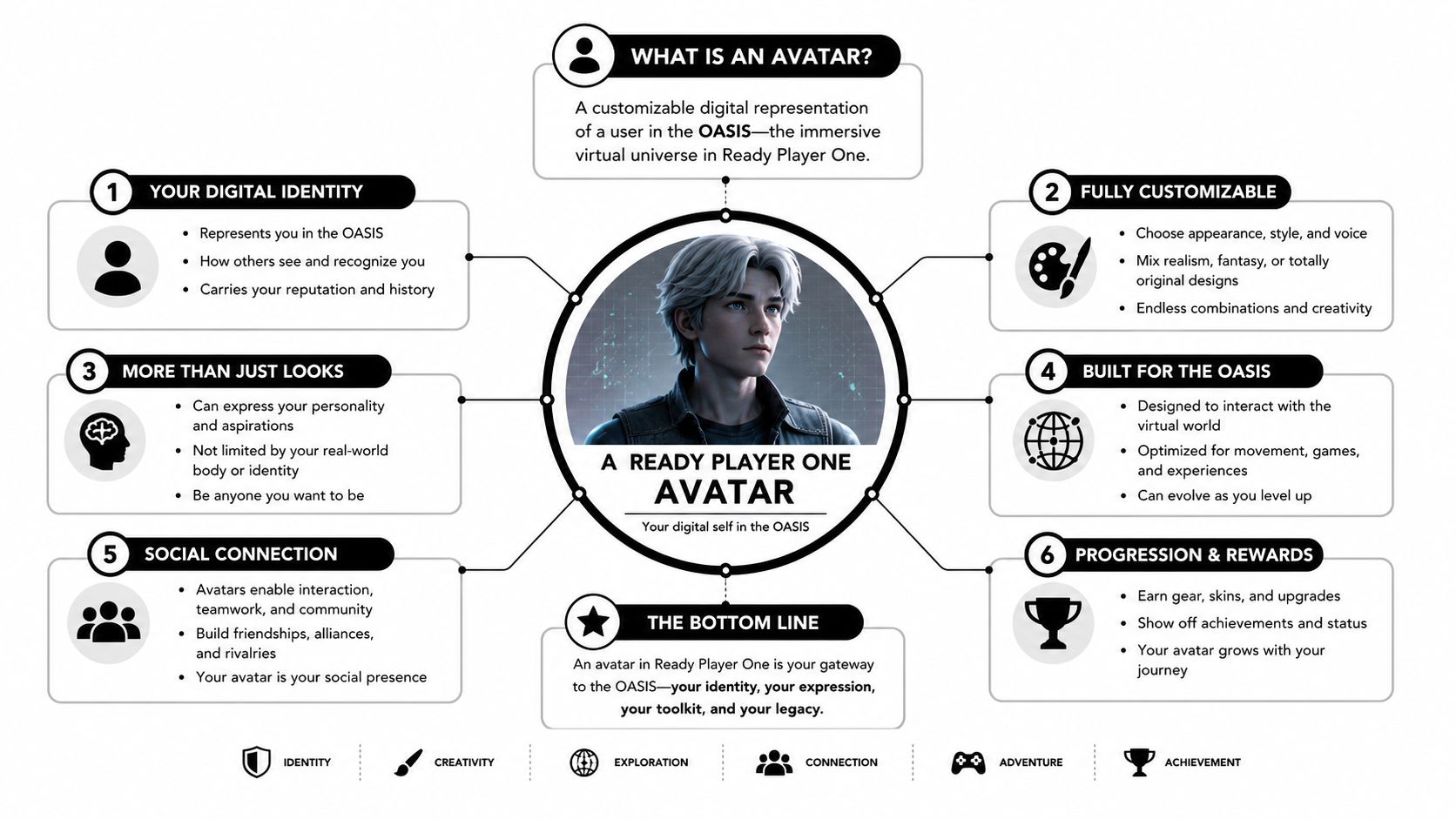
In the original story, a Ready Player One avatar is more than a stylish character model. It is the user's public identity inside the OASIS, a virtual-reality MMORPG built as a huge, rule-heavy world. One analysis notes that players can explore “thousands of different worlds” inside it, and the game's permadeath rule means dying in the OASIS wipes levels, items, skills, credits, and experience, forcing a restart from the beginning. That design analysis helps explain why avatars in this universe feel consequential instead of decorative.
The OASIS is a system, not just a setting
The OASIS itself is split into 27 sectors, each described as 10 light-hours across and arranged like a Rubik's cube. Different zones can allow or block magic, technology, PvP, teleporting, and communications, so identity and power change depending on where you are in the world. That structure places the avatar inside a larger rule engine, not a free-floating costume.
That matters because the avatar's role depends on context. Parzival, Art3mis, and Aech are not just different visuals. They are decisions about how to present skill, taste, rebellion, and belonging inside a highly stratified space. The story uses them to show that identity performance is never neutral, even when the underlying world claims to be open.
Why the character names matter
Wade's Parzival carries a classic hero framing. Art3mis and Aech complicate that frame by showing how presentation can conceal or amplify different social signals. The result is a more layered idea of digital identity than many later summaries give it credit for.
That is why the source material still matters to blockchain readers. The avatar is not only what you look like in a lobby. It is how a system reads you, sorts you, and rewards or limits you. In the OASIS, your body is already data, and your data is already a position in a hierarchy.
From OASIS to Open Metaverse Avatars
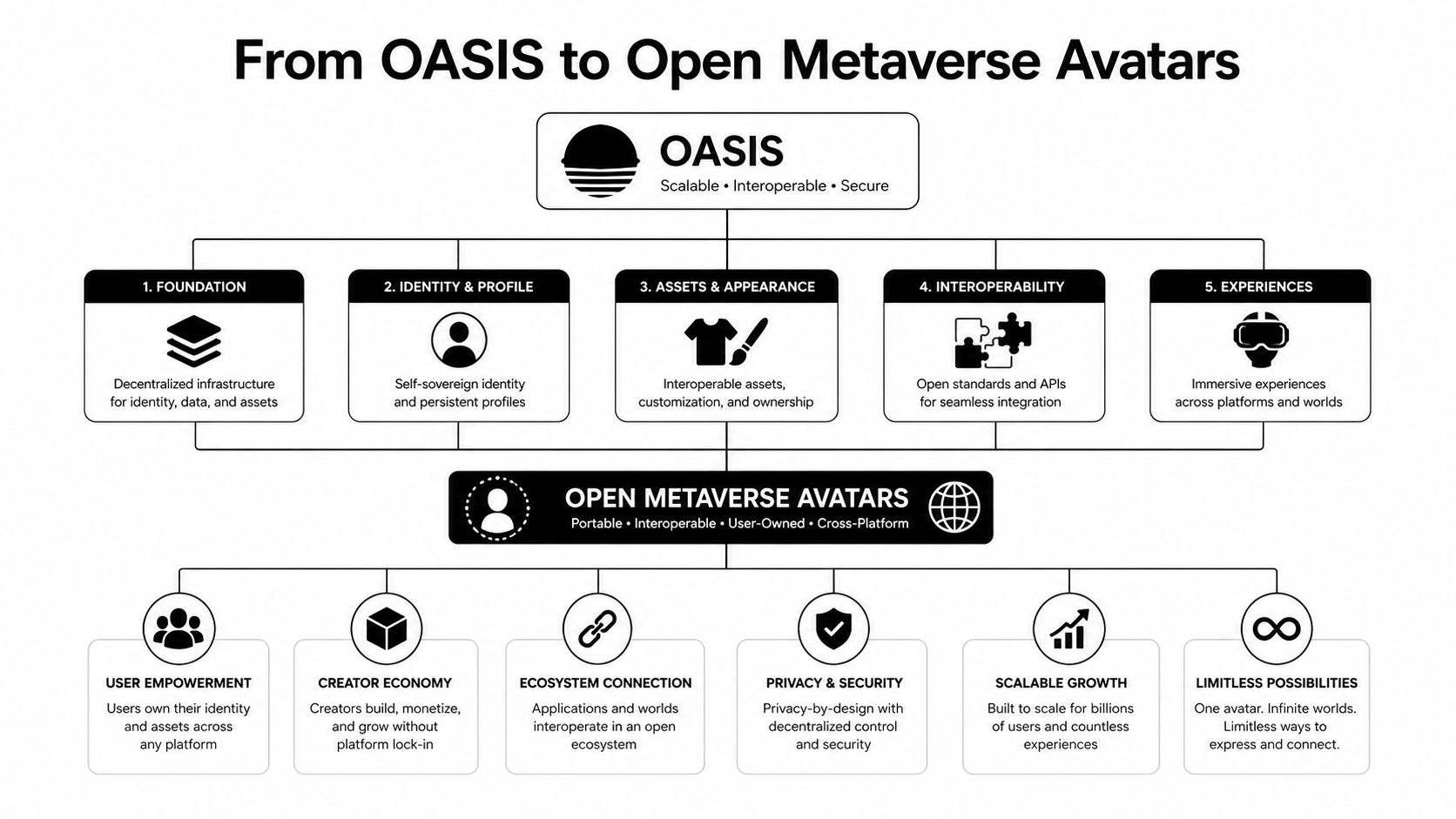
A Ready Player One avatar only becomes useful in the open metaverse if it can move between systems without being rebuilt from scratch. That is the practical answer to the OASIS dream. The ecosystem is still a stack of tools, standards, and partial bridges, not a single world that everyone shares. Ready Player Me is a clear example because it is positioned as a cross-platform avatar creator, and one tutorial says it supports 1,000+ compatible apps and games. The creation flow is straightforward, choose a body type, add a photo or skip it, then pick an avatar template. The tutorial shows how the promise has shifted from fantasy to workflow.
Portability is the core product
The OASIS imagined one identity layer across many experiences. Open metaverse avatar systems try to approximate that through compatibility rather than universal control. Ready Player Me is useful because it treats the avatar as infrastructure, not a one-off asset.
That infrastructure mindset shows up in its technical design. The platform's avatar system uses a fully skinned Mixamo-compatible bone structure, and it exposes 3 LODs, full resolution, medium with a 25% triangle-count reduction, and low with a 50% reduction. It can also merge body-part meshes into a single texture atlas and reduce the final GLB to a maximum of 2 draw calls, which is a practical answer to mobile and WebGL-style performance constraints. Those specs are a reminder that portability always runs into runtime cost.
NFTs promise ownership, not interoperability
NFT profile pictures, GameFi characters, and metaverse wearables try to solve the same problem from a different angle. Instead of federated login or platform-native accounts, they frame the avatar as a tokenized asset. That gives users a clearer story about ownership, but it does not automatically guarantee that the character will work everywhere.
The hard part is still adoption. A token in your wallet can prove provenance, but it does not force a closed game client or marketplace to recognize the asset. For teams trying to separate possession from recognition, a blockchain identity verification overview helps explain why provenance alone is not enough. The OASIS remains a useful comparison because it looks like freedom from the outside, while the actual freedom depends on permission layers underneath.
Identity Performance, Bias, and the Limits of Virtual Freedom
The biggest mistake people make with avatar culture is assuming that new visuals equal new social rules. They don't. Academic analysis of Ready Player One argues that Wade's Parzival centers a white male hero narrative, while Aech's reveal as a Black queer woman and Samantha's hyper-feminized Art3mis create a more complicated set of identity cues. That reading matters because it shows how virtual worlds can reproduce familiar hierarchies even when the surface looks playful.
Customization can still carry offline bias
In practice, avatar systems often inherit the defaults of the people building them. If the default body shapes, skin tones, hairstyles, or gender presentations are narrow, users start from a biased template. Even when they can customize heavily, they're still customizing inside a frame someone else defined.
That's why decentralized identity is useful but incomplete. A wallet, a soulbound credential, or an NFT avatar can give you control over possession and provenance, but it can't automatically remove the cultural assumptions built into a platform. A Black user, a queer user, or a woman can still face the same dynamics of gatekeeping, style policing, or status signaling that show up offline.
Useful test: if a platform treats “default” as neutral, check who that default was built for.
Ownership doesn't erase platform power
A tokenized avatar can be yours and still be constrained by someone else's server, moderation rules, or licensing terms. That's the quiet lesson hidden inside the OASIS. The world feels open, but the system remains tightly governed.
For crypto-gaming readers, this is the difference between property and permission. A wallet proves you hold the asset. It doesn't prove the platform will honor it forever, and it definitely doesn't prove the asset gives you social safety or equal treatment. The same caution applies to any identity stack built around Web3, including Web3 gaming, DeFi-linked reputations, and future Layer 2 identity primitives.
Building Your Own RPO Inspired Avatar Step by Step
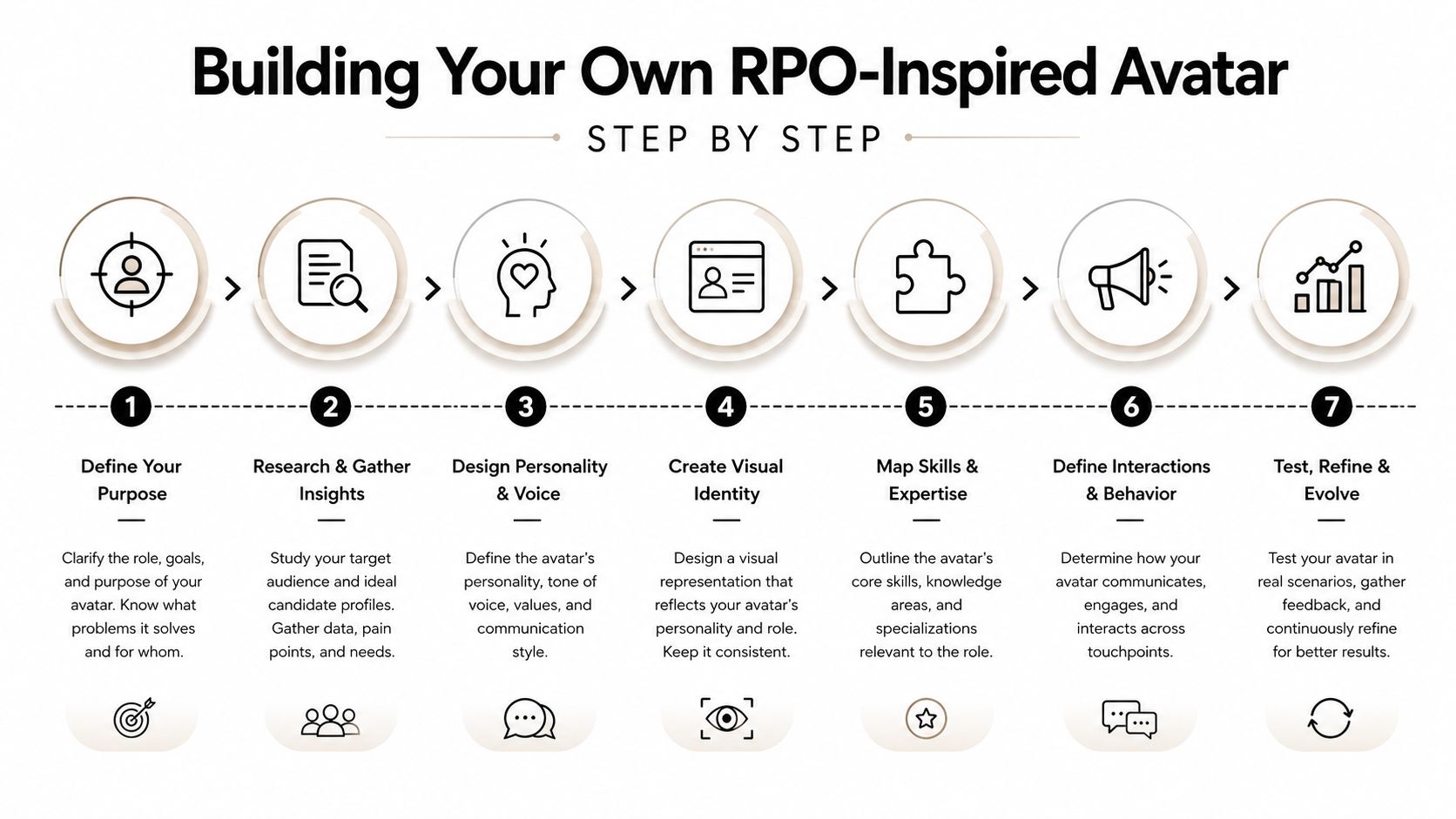
If you want the look and feel of a Ready Player One avatar without stepping on Warner Bros IP, start with original design language, not copied characters. You can still aim for the energetic, high-contrast, game-ready vibe, but you need a clean rights posture if you plan to publish, sell, or tokenize the result. The easiest path is to think like a studio, not like a fan page.
Three practical paths
One path is a cross-platform creator such as Ready Player Me. It gives you the bones, LODs, and texture optimizations you need for real-time deployment, which is useful if your goal is a character that has to move between engines, not just look good in a render. The platform docs make it clear that the runtime target matters from the start.
A second path is to commission a 3D artist in a Web3-native marketplace. That route costs more creative coordination, but it gives you better control over originality, brand fit, and licensing. If your end goal is a figurine-style render or a campaign asset, a resource like how to make a 3D figurine from photo can help you think about source material, stylization, and conversion before you mint or ship anything.
A third path is to assemble modular parts from open-source avatar kits. This is the most hands-on route, and it's usually where teams learn the most about rig compatibility, material cleanup, and export issues. If you're building for product rather than just art, the engineering side matters as much as the design side. For that, Web 3 application development is the kind of broader context that keeps the avatar from becoming a dead-end asset.
The technical ceiling studio teams respect
Ready Player Me publishes hard constraints that are worth treating as a production baseline, not a suggestion. Hero characters support a maximum total triangle count of 30,000, a maximum texture resolution of 2048×2048, and a GLB file size cap of 10 MB. The platform also recommends no more than 4 skin weights per vertex, normalized to sum to 1.0, which helps keep deformation predictable across engines. Those asset rules are the kind of limits many teams only discover after a broken export.
Practical rule: if your avatar doesn't survive export, compression, and animation in a real engine, it's concept art, not production content.
Sourcing and Tokenizing Your Avatar as an NFT
There isn't one right way to bring an avatar on-chain. The cleanest comparison is between creating your own, licensing one from a marketplace, and using an in-game character from a GameFi project. Each path solves a different problem, and each one introduces a different kind of risk.
| Path | Typical Cost Range | Customization | IP / Licensing Risk | Portability |
|---|---|---|---|---|
| DIY tooling | Variable, depends on software and labor | High, especially with original art direction | Lower if you keep it original | Depends on export format and standards |
| Commissioned creation | Variable, depends on artist scope | High, with stronger brand control | Lower if the contract is clear | Depends on engine support and rights granted |
| Licensed or GameFi NFT avatar | Variable, depends on collection and market conditions | Medium to low, depending on the collection | Higher if the terms are restrictive or derivative | Often limited by platform recognition |
Minting isn't the same as owning the brand
If you mint an avatar that is inspired by a famous franchise, you don't magically gain rights to the underlying IP. The safer path is original work that captures a mood, a silhouette, or a workflow, not a recognizable protected character. That distinction matters more than people think, especially when they move from fandom into commercialization.
The same logic applies to marketplace sourcing. You can license a pre-built avatar or use one from a collection, but you still need to read the terms carefully. A token can represent provenance, access, or membership, yet the platform can still reserve broad control over display rights, derivative use, and revocation.
Why tokenization only solves part of the problem
Tokenizing an avatar can help with resale, verifiable scarcity, and community signaling. It can also make the asset easier to track across wallets and marketplaces. But it doesn't guarantee interoperability, and it doesn't erase the business model of the studio that hosts the world.
That's why many NFT avatar buyers eventually discover they bought a claim, not a universal passport. For a deeper technical primer on the asset side of that debate, this how NFTs work guide is a useful companion. The practical takeaway is simple. Mint the thing you can defend, and don't confuse ownership metadata with platform permission.
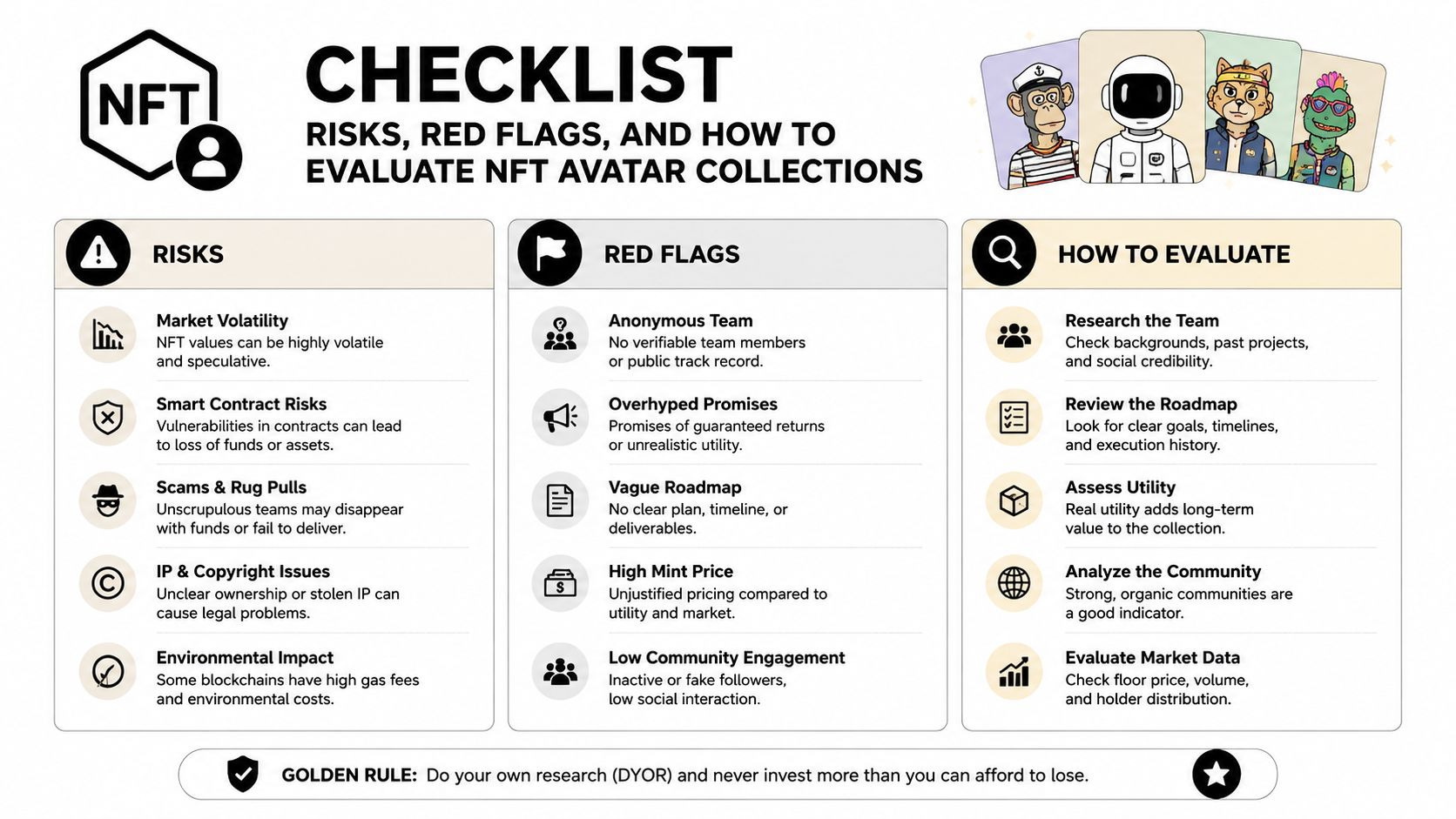
Risks, Red Flags, and How to Evaluate NFT Avatar Collections
The easiest way to lose money or time in avatar NFTs is to buy the story before you buy the contract. The OASIS fantasy encourages people to imagine portability and status first, then check the fine print later. In real projects, that order gets expensive fast.
Start with the obvious failure modes
Look for the usual traps first. Rug pulls happen when teams vanish after selling. Honeypots trap buyers in contracts that are easy to enter and hard to exit. Wash-trading can make a weak collection look active when the volume is fake.
Then check the contract for admin powers. If the team can change metadata, reroute royalties, or alter rarity structures after launch, your “rare” asset might not stay rare in any meaningful sense. That risk is easy to miss because the artwork can look finished while the governance layer is still mutable.
Read the license like a buyer, not a fan
Many avatar collections bury licensing terms in a way that assumes casual readers won't notice. That's where you can run into walled-garden rules, platform-specific limits, or surprise restrictions on commercial use. If you're planning to use the avatar across social media, games, or a business profile, those terms matter more than the mint page.
Also check whether the asset has any realistic path across engines or chains. A token can move on-chain while the usable character remains stuck in a single app. The OASIS comparison becomes a warning, not a fantasy. A wallet doesn't protect you if the studio shuts the server down or the marketplace goes quiet.
The best checklist is boring. Contract, license, metadata control, wallet safety, and real utility. If a project tries to skip those five, it's asking you to trust the art instead of the system.
For readers who want to think more carefully about how identity tooling intersects with marketing and user acquisition, AI marketing software is worth scanning as a related lens. It's not the same problem, but it shows how quickly digital identity, automation, and platform control can get tangled once a product starts scaling.
The Future of Ready Player One Avatars
A Ready Player One style avatar will not arrive as one universal body that works everywhere. The more likely future is a patchwork of platforms, wallets, identity tools, and creative systems that still struggle to speak the same language. The OASIS imagined a single world with a single identity layer. Crypto gaming is building many worlds with fragile bridges, and that is the part builders need to respect.
What to watch next
The developments that matter most are not flashy skins. They are standards and permissions. Cross-chain avatar support, on-chain reputation, portable credentials, and better identity proofs will matter more than another glossy marketplace launch. AI can help generate faces, outfits, and variations faster, but AI still cannot solve rights, provenance, or platform governance on its own.
That is why the strongest teams treat avatar design as infrastructure work. They ask what survives export, what survives moderation, and what survives a change in chain or client. Those questions are more useful than asking which avatar looks coolest in a trailer.
A realistic mental model
If you want one simple takeaway, keep this in mind. The OASIS is a warning about lock-in as much as it is a celebration of virtual life. A useful avatar should be original, portable where possible, and tied to clear rights.
The next article in this series will go deeper into how avatar identity, wallet ownership, and reputation systems can work together without turning users into prisoners of a single platform. That is where the significant upside lies, in systems that let identity travel while still respecting technical limits and IP realities.
Coiner Blog covers the parts of crypto gaming, NFTs, and Web3 that matter when the hype cools off and the build work starts. If you want more grounded guides like this one on avatars, ownership, and digital identity, visit Coiner Blog and keep following the practical side of the metaverse.